Mexico City is much bigger than Roma, Condesa, Polanco, Coyoacán and the Historic Center.
The city has hundreds of neighborhoods, traditional markets, cultural spaces, parks and food traditions that most international visitors never see.
If you want to experience a different side of Mexico City, these are 10 places and experiences to consider in 2026.
They are not necessarily secret places. Many are well known to people who live in Mexico City but receive fewer international visitors.
1. Cárcamo de Dolores in Chapultepec
Located in the second section of Bosque de Chapultepec, Cárcamo de Dolores is one of the most unusual examples of Mexican public art.
The complex was part of Mexico City’s historic water infrastructure and includes a mural by Diego Rivera, El agua: origen de la vida, as well as the monumental Fuente de Tláloc.
The artwork connects Mexican muralism, water and pre-Hispanic symbolism.
It is a great alternative for visitors who want to explore Chapultepec beyond the castle and the National Museum of Anthropology.
Good for: Mexican art, history, architecture and photography.
2. La Lagunilla & Tepito
Two of the most interesting areas to explore north of Mexico City’s Historic Center are La Lagunilla and Tepito.
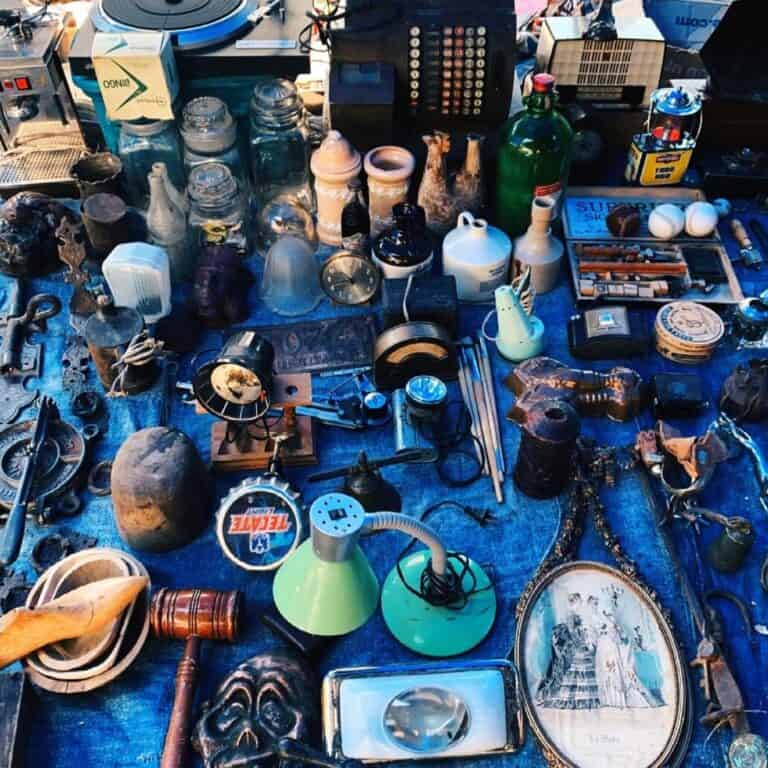
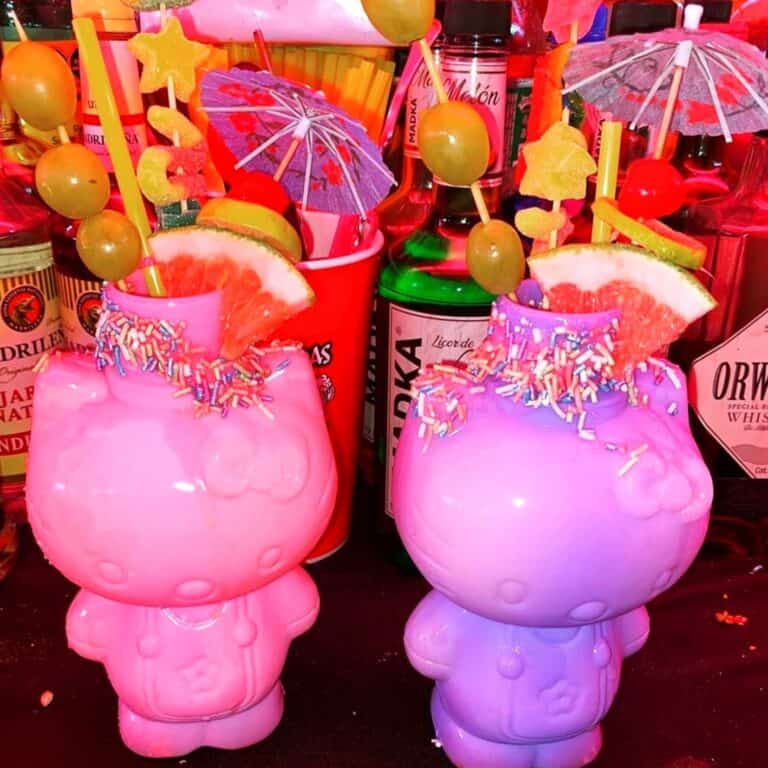
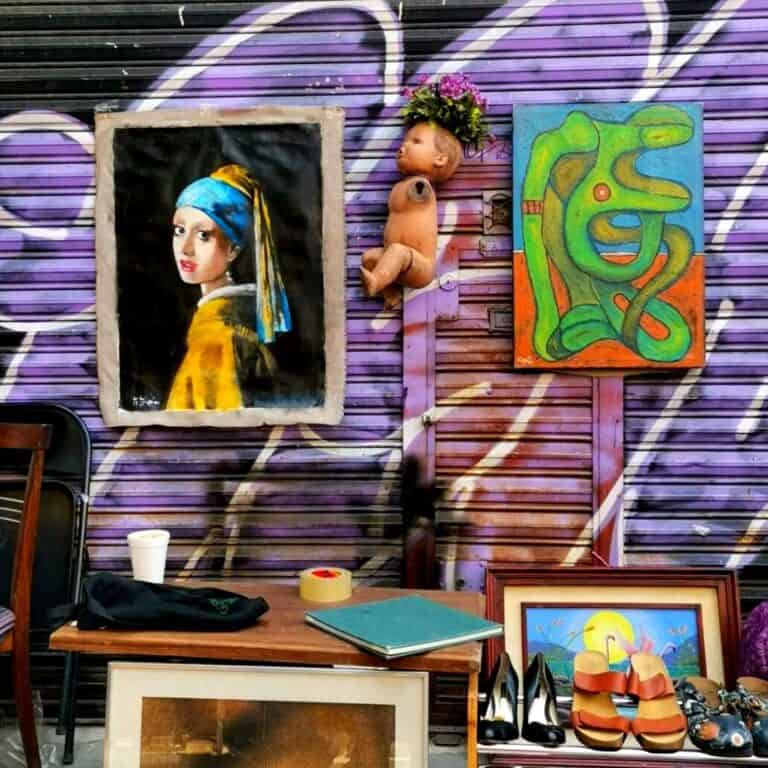
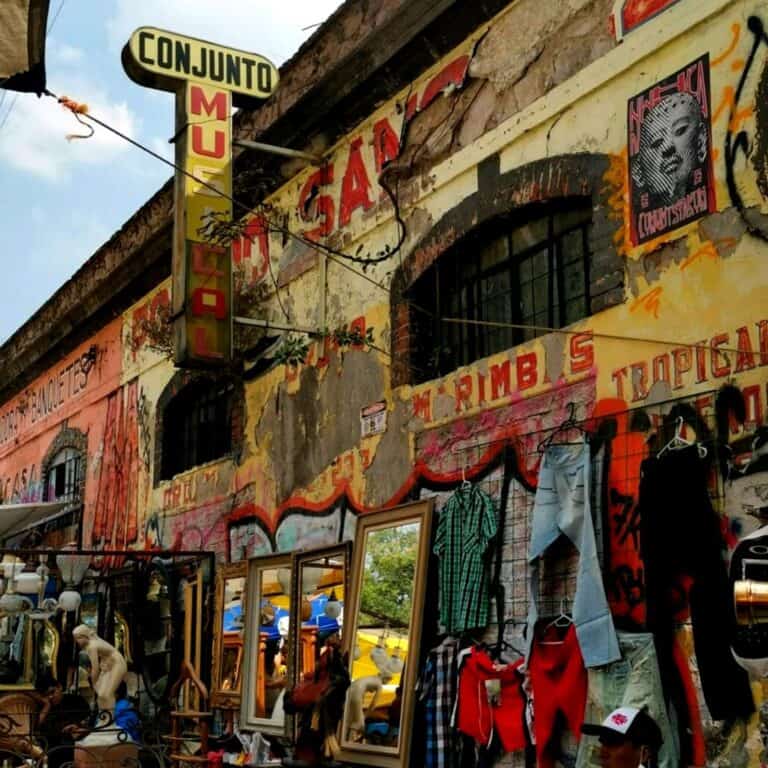
On Sundays, La Lagunilla becomes a huge traditional tianguis, or street market, where you can find antiques, vintage clothing, furniture, collectibles, food and the famous micheladas.
Just next to it is Tepito, one of Mexico City’s most distinctive working-class neighborhoods.
Tepito is famous for its enormous street commerce, boxing tradition, food and strong neighborhood identity. It also has a reputation for being one of the tougher areas of the city.
Explore with someone who knows the area
If you have never been to Tepito, we recommend exploring the area with someone who knows the neighborhood.
We know someone who gives tours in this part of Mexico City and can introduce visitors to its history, commerce, food and everyday life while explaining how to move through the area respectfully. hola@foodhoodtours.com
This is very different from simply seeing Tepito through the stereotypes often presented in international media.
Good for: street markets, Mexican popular culture, food, history and an experience far outside the typical tourist itinerary.


3. Santa María la Ribera y San Rafael
Santa María la Ribera and San Rafael are two historic neighborhoods located close to Mexico City’s Historic Center.
Santa María la Ribera is famous for the beautiful Kiosco Morisco, but the neighborhood also has historic buildings, small restaurants, cafés, markets and traditional businesses.
Next door, San Rafael has historic architecture, residential streets, theaters and cultural spaces.
These neighborhoods are particularly interesting because you can see everyday Mexico City rather than a neighborhood designed mainly around tourism.
Tip: A bicycle is an excellent way to explore both neighborhoods.
Food Hood Tours also explores this part of the city by bicycle through its Mexico Off the Beaten Track experience, combining neighborhood exploration with Mexican food.
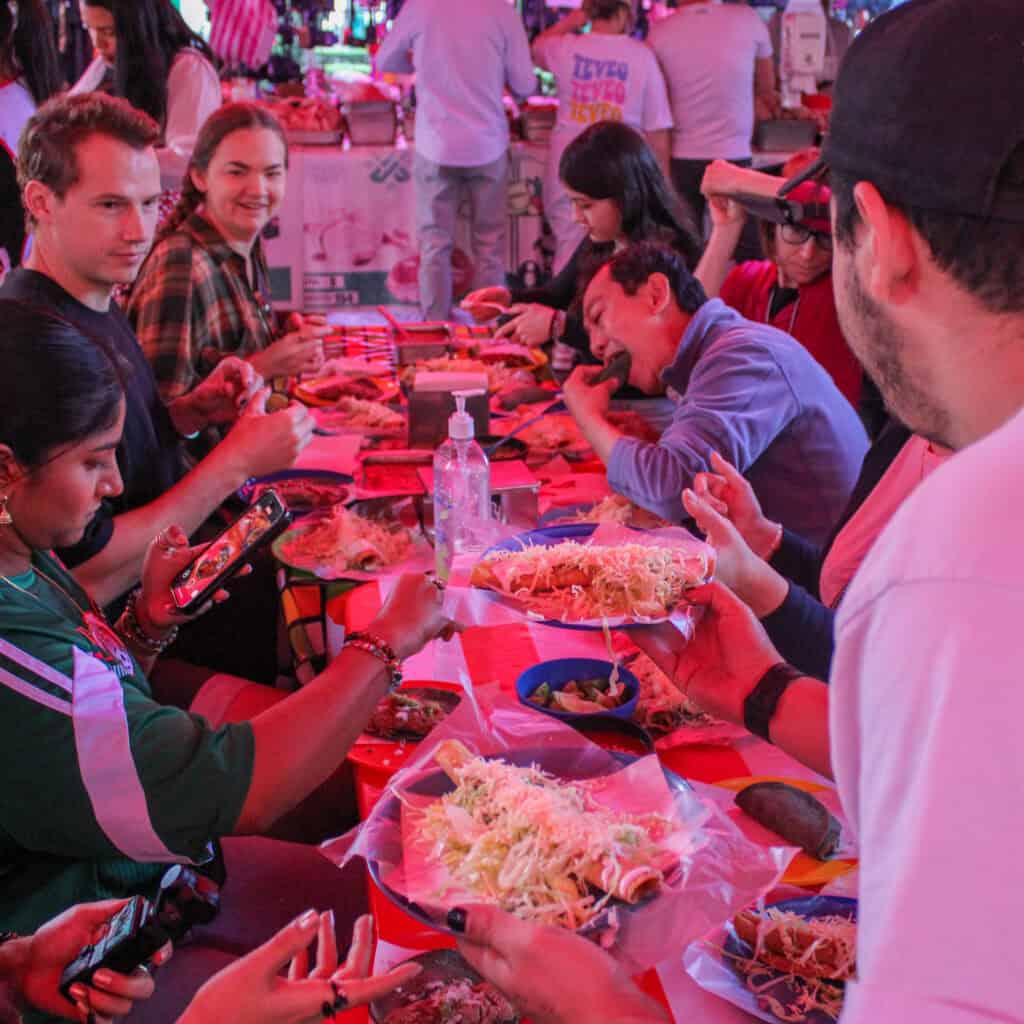
You will also have the opportunity to taste one of Mexico’s most ancestral beverages called Pulque, which was created long before tequila or mezcal. And if you book on a Sunday, you can go and try real Barbacoa in a street market, as it is a tradition in the city to get Barbacoa on Sundays.
Plus you get to see these neighborhoods before they become super popular and become a tourist area, because there are actually a lot of interesting things in these neighborhoods.
4. Cineteca Nacional
The Cineteca Nacional is one of the most important places in Mexico for film and culture lovers. Here are some reasons why you should visit it:
1. Exhibitions and events: The Cineteca Nacional is a space that has exhibitions, screenings and cultural events that honor Mexican cinema and cinema in general.
2. Wide selection of films: The Cineteca Nacional has an extensive collection of national and international films, from classics to contemporary films.
3. Library: The Cineteca Nacional has a library that offers a wide variety of publications related to cinema, such as books, magazines, newspapers, scripts, among others.
4. Architectural space: The Cineteca Nacional building is a unique and spectacular architectural space. Designed by architect Michel Rojkind, the building has an impressive façade and a wide variety of open spaces to enjoy culture, art and architecture.
Good for: cinema, architecture, culture and a different side of contemporary Mexico City.
5. Mercado Jamaica
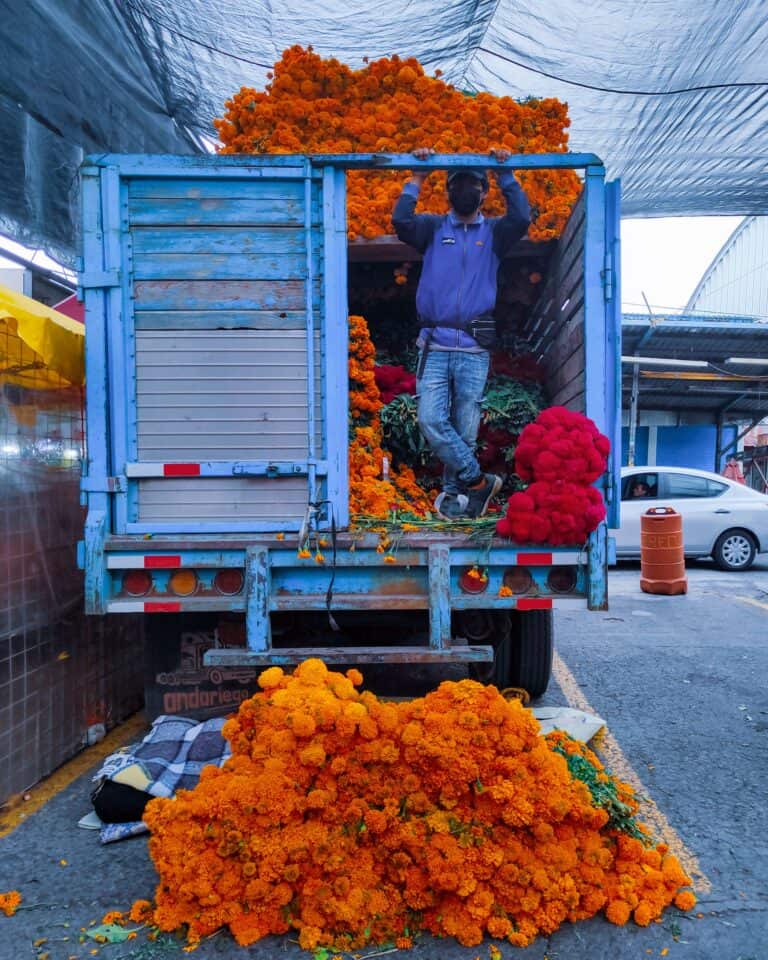
Mercado Jamaica is one of Mexico City’s traditional markets and is particularly famous for its enormous flower section.
You can find flowers and plants alongside fruits, vegetables, herbs, spices, meat, prepared food and other everyday products.
The market becomes especially impressive around Día de Muertos, when huge quantities of flowers are sold throughout the city.
It is a working neighborhood market rather than a tourist attraction, making it a great place to see part of everyday Mexico City.
Want to explore more markets? You can also join our Mexico City Markets Tour, where we visit Mercado Jamaica and other traditional markets together, tasting different foods and learning about the markets, ingredients and everyday food culture of Mexico City.
Good for: food, photography, flowers and traditional markets.

6. Museo Anahuacalli
Located in southern Mexico City, Museo Anahuacalli was created from the vision of Diego Rivera and houses an extensive collection of pre-Hispanic objects.
The building itself is one of the main attractions.
Constructed largely from volcanic stone, it has a dramatic architecture that feels very different from the museums in central Mexico City.
The surrounding landscape also makes the visit feel far removed from the city’s busiest neighborhoods.
Good for: Diego Rivera, pre-Hispanic Mexico, art and architecture.
7. Ciudad Universitaria & UNAM
The main campus of the Universidad Nacional Autónoma de México (UNAM), known as Ciudad Universitaria, is a UNESCO World Heritage Site.
The campus is famous for its architecture and enormous murals created by important Mexican artists.
But it is also a functioning university, so you can experience students, public spaces, cultural institutions and everyday university life.
It offers a very different perspective on Mexico City from the traditional tourist attractions.
Good for: architecture, Mexican art, history and contemporary culture.
8. Go to a Mexican Concert
Check the concert calendar while you are in Mexico City and see if a Mexican artist catches your attention. It could be at the Auditorio Nacional, the Teatro Metropólitan, or another venue around the city. These venues regularly host Mexican artists from very different musical styles.
You might find Natalia Lafourcade, Los Ángeles Azules, Café Tacvba, Julieta Venegas, Mon Laferte, Zoé, Los Tigres del Norte or many other Mexican artists playing during your visit.
You don’t have to know the artist or understand every song. Listen to a few tracks beforehand and, if you like what you hear, go for it.
Sometimes the best way to experience Mexico City isn’t another museum or monument. It’s spending an evening surrounded by people who came simply because they love the music. You may not understand every song, but you can still enjoy the atmosphere, sing along when you can, and experience a side of Mexico City that you won’t find in a guidebook.