
Is Mexico City Safe? Best Areas for Travelers
Neighborhood Guide (2026)
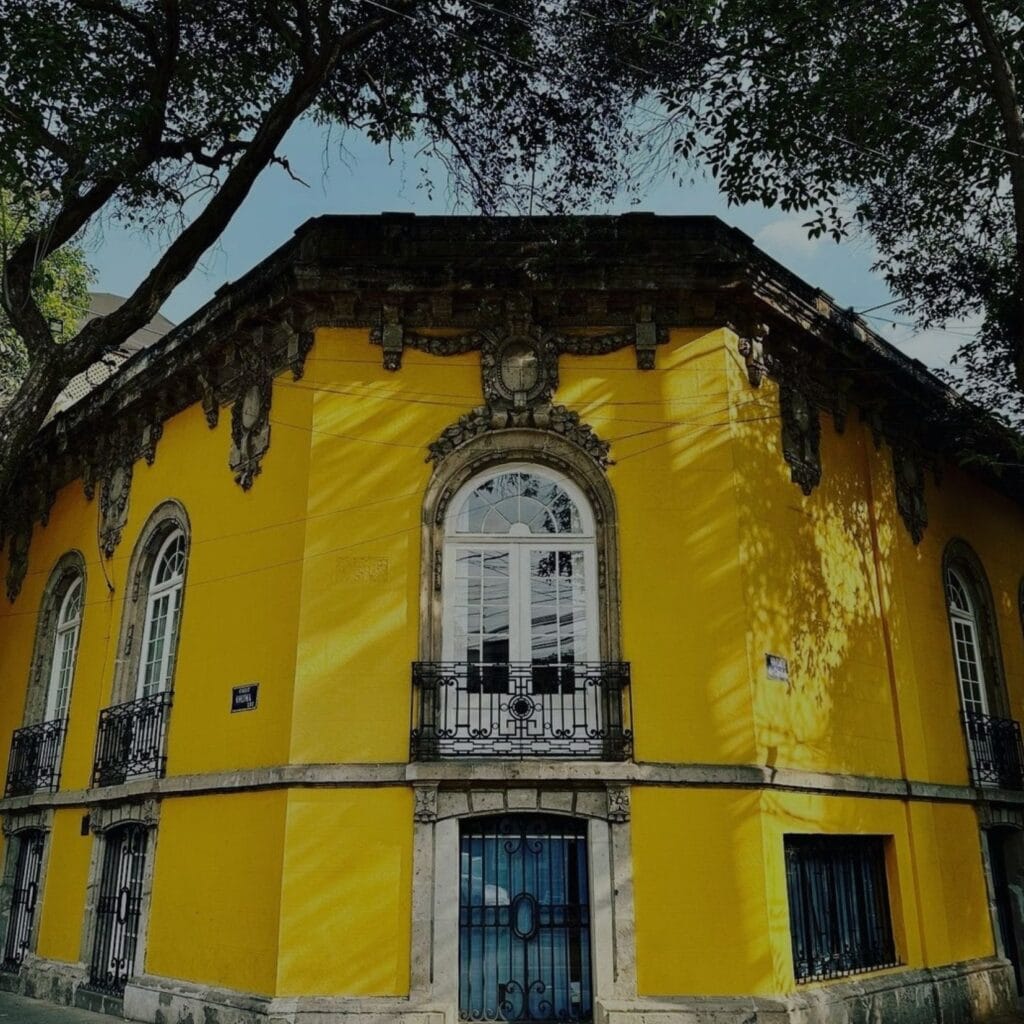
Like New York, London, Berlin, or Paris, Mexico City is a large global city where some neighborhoods attract more travelers than others. Most people naturally spend time in areas with more cafés, restaurants, cultural activities, and international visitors, but that doesn’t mean the rest of the city is unsafe.
The reality is much simpler: Mexico City is a city of neighborhoods, each with its own personality. Some are more traveler-friendly, some are more local, and some are simply easier to navigate with context.
If you approach the city with basic urban awareness and common sense, you’ll find it welcoming, vibrant, and easy to explore.

Safest Areas in Mexico City for Travelers
Roma Norte & Roma Sur
- One of the most popular areas for travelers in Mexico City
- Cafés, restaurants, bakeries, galleries, creative spaces
- Highly walkable and very active during the day
- English is commonly spoken in many businesses
If it’s your first time in Mexico City, this is where you’ll likely spend most of your time.
Condesa
- Tree-lined streets and beautiful parks
- Strong café and restaurant culture
- Very walkable and relaxed atmosphere
- Active both day and night
Condesa is one of the easiest neighborhoods for first-time travelers.
Polanco
- Luxury hotels, shopping, and dining
- Wide, organized streets
- Strong international and business presence
- English widely spoken in hospitality
Coyoacán
- Colonial plazas and historic streets
- Traditional markets and cultural atmosphere
- Slower, more relaxed pace of life
Ideal for a cultural and historical day trip experience.
Centro Histórico
- Museums, landmarks, and historic architecture
- One of the most important cultural areas in Mexico
- Very active during the day


Areas Best Explored with Local Context
They are simply more local, less traveler-oriented, or better understood with context.
Zócalo, Behind Cathedral & National Palace
While the Zócalo itself is safe and worth exploring, it’s a common mistake for travelers to walk behind the Cathedral and the National Palace. This area is not particularly scenic or welcoming, and there’s generally no reason to go there as a visitor. It’s better to stay within the main square and the surrounding streets that are designed for walking and sightseeing
Doctores
- Located next to Roma Norte and Roma Sur
- Once considered less developed, now rapidly changing
- New investment and younger residents moving in
- Strong local identity and urban character
Guerrero
- Traditional residential neighborhood
- Local markets and everyday city life
- Authentic, non-travel-oriented atmosphere
Tepito
- One of the most famous street markets in the city
- Extremely active during the day
- Incredible local energy and commercial culture
Best experienced with a local guide or tour during daytime.
At night, it is generally not part of the typical traveler routes.
Airport Area (Important Travel Tip)
Aeropuerto Internacional Benito Juárez
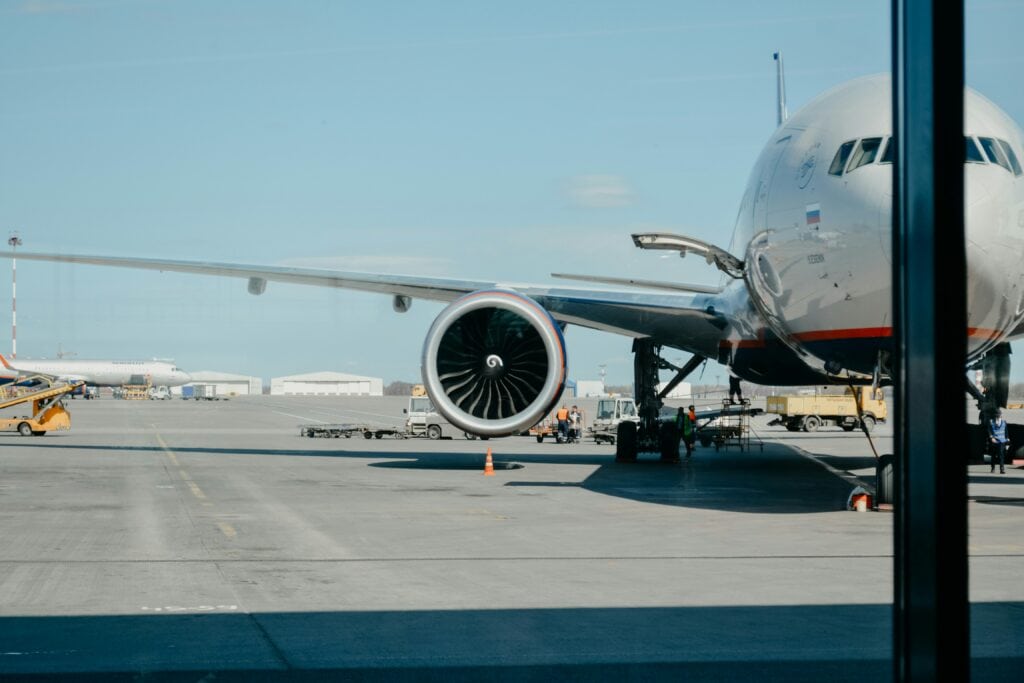
One important thing to keep in mind is that the area surrounding Mexico City’s main airport is not an area designed for walking or exploring.
Recommended ways to move from the airport:
- Uber or Didi (most convenient option)
- Official airport taxis (authorized counters inside the terminals)
- Metro or Metrobus connections directly from the airport
Best practice: Once you arrive, it’s usually better to head straight to your accommodation rather than staying or exploring around the airport area.
Mexico City Isn’t Black and White
One of the biggest misconceptions is thinking Mexico City can be divided into “safe” and “unsafe” zones.
The reality is much more nuanced.There are many other neighborhoods worth knowing, including Juárez, Zona Rosa, Escandón, Santa María la Ribera, San Rafael, Del Valle, and Narvarte.
These areas may not always have the same density of traveler infrastructure, but they are where many locals enjoy cafés, restaurants, and daily life.Mexico City is a city of layers, not labels.
A Safety Feature Most Travelers Don’t Know About
Mexico City has one of the largest urban surveillance systems in the world.
- Around 83,000 security cameras operating 24/7
- Connected to emergency response systems
- Coordination with police, firefighters, and ambulances
You’ll also find emergency assistance poles in many public areas.
If needed, pressing the button connects you directly with emergency services, while operators can view nearby cameras in real time. Most travelers will never need this system, but it adds an extra layer of support and response capability in the city.

Final Thoughts
Mexico City is not a city of strict boundaries. It is a city of layers.
There are international areas, local neighborhoods, historic districts, and evolving zones that all coexist.These are not the only safe areas in Mexico City—they are simply where most travelers naturally spend their time.If you move with basic awareness and urban common sense, you’ll discover one of the most fascinating, dynamic, and rewarding cities in the world.
What else to do in Mexico City?
Street Food Bike Tour: One of the Best Things to Do in Mexico City, According to

Get in touch
164 Sonora Avenue, Condesa Neighborhood ZIP Code 06100, Mexico-City
What’s App: +52 55 4001 3430
Email: hola@foodhoodtours.com
Mon-Sat 09:00 - 19:00
Sunday 10:00 - 14:00
